Klimapatenschaft
Wir wollen Gutes bewahren

Was dabei rauskommt, wenn wir von SCHMITT ein Meeting mit Mutter Natur abhalten?
Ein Speiseplan, der auch der Umwelt schmeckt.

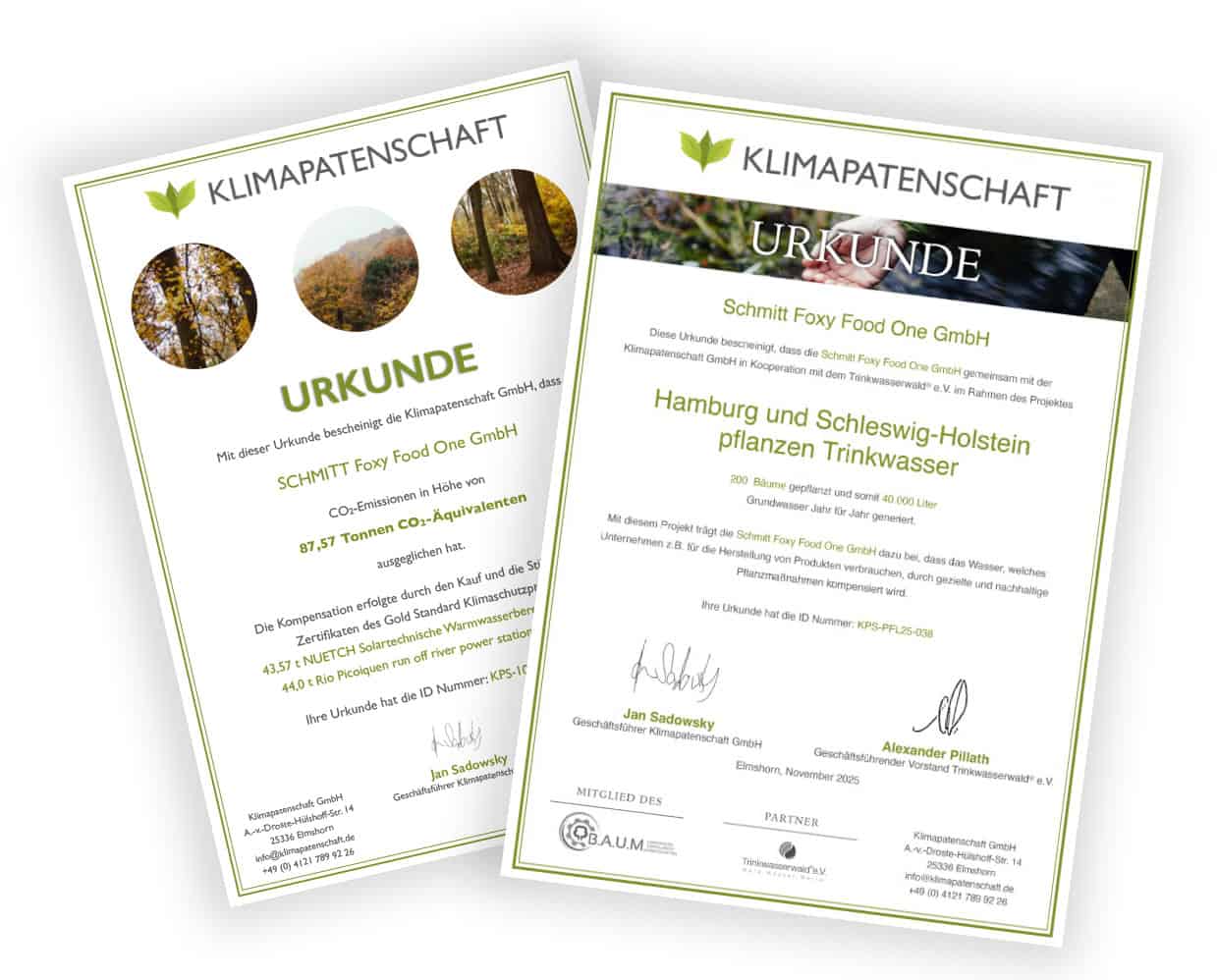
Gemeinsam mit der Klimapatenschaft GmbH haben wir Konzepte und Strategien entwickelt, die unser Unternehmen noch nachhaltiger machen und unseren ökologischen Fußabdruck weiter verkleinern.

Durch die Klimapaten wissen wir jetzt genau, wie viel CO2-Emissionen wir verursachen und an welchen Stellen wir Einsparungspotentiale haben, die wir nun schrittweise ausschöpfen werden.

batch_made_in_st_pauli_100

Planting new “drinking water trees”

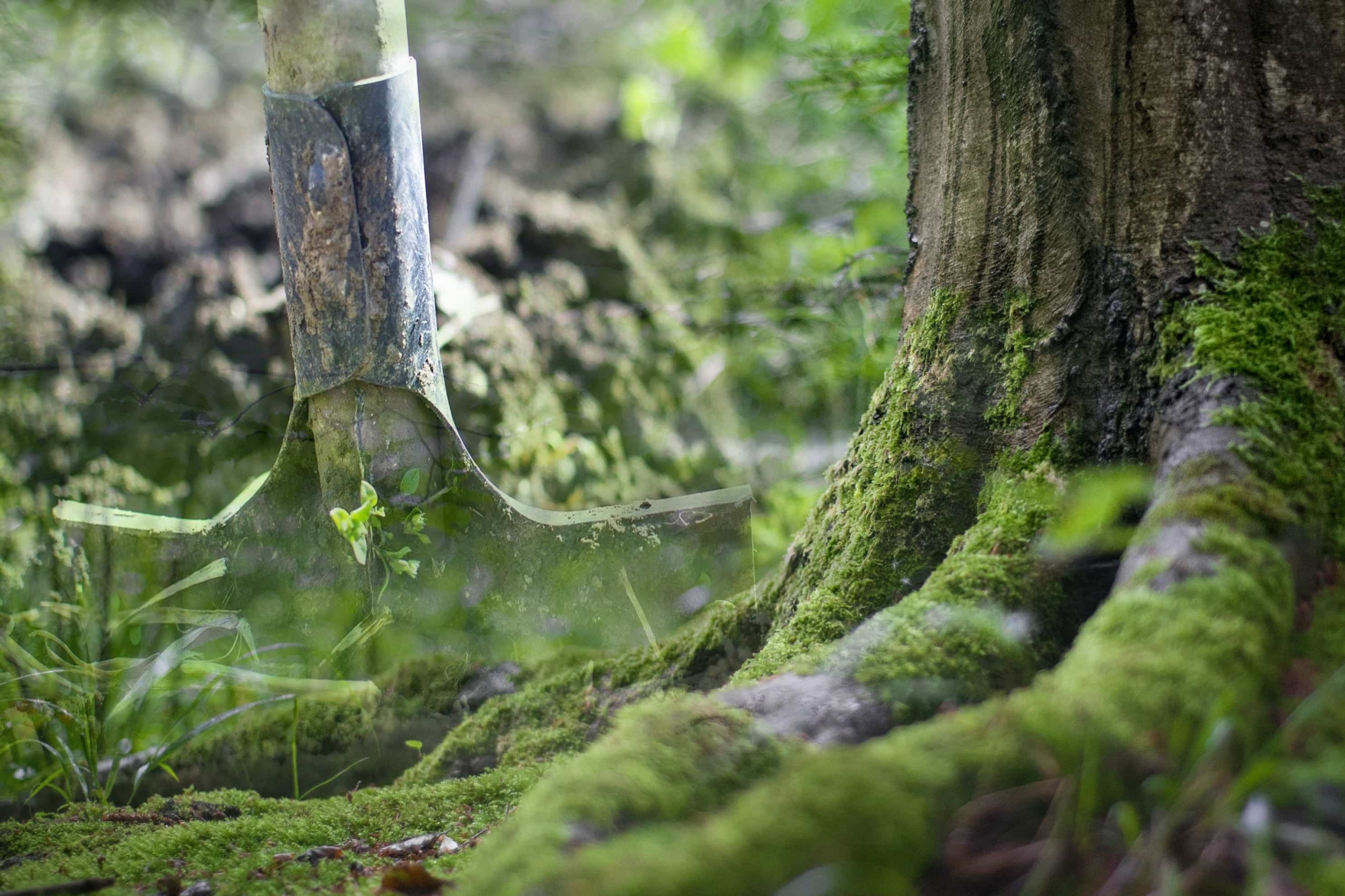
Planting new “drinking water trees” in the Klövensteen forest promotes the formation of new groundwater. Cooking without water is impossible, which is why water is part of our DNA! That is why it is particularly important to us to offset our water consumption. Sustainable development directly linked to our product! We will be planting a total of 2,000 “drinking water trees” over the coming years.

Underplanting existing coniferous forest monocultures with deciduous trees greatly increases groundwater recharge in the underplanted areas. This is because less light penetrates the dense canopy, resulting in less ground cover and fewer grasses and mosses. Rainwater penetrates the soil structure more deeply.

Furthermore, the evaporation rate of rainwater in a mixed deciduous forest is lower than in a coniferous forest, so that overall groundwater recharge doubles.

On average, an additional 800,000 litres of groundwater and drinking water are produced per hectare of restructured mixed forest area – year after year. Restructuring one hectare of coniferous forest requires approximately 4,000 deciduous trees, based on the current forest structure of the Klövensteen forest and the tree species planted. This means that every deciduous tree planted generates 200 litres of new groundwater and drinking water every year.

Planting the “drinking water trees” together with employees and demonstrating the effects of this sustainability measure is a tangible example of sustainable development. Experiencing the campaign together strengthens the employer brand and promotes team building.

Source:
www.Klimapatenschaft.de

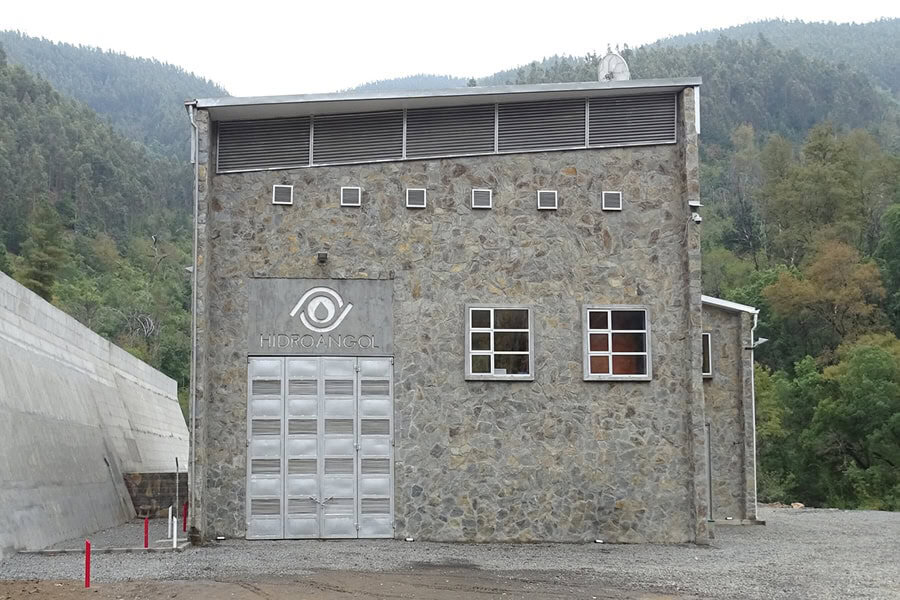
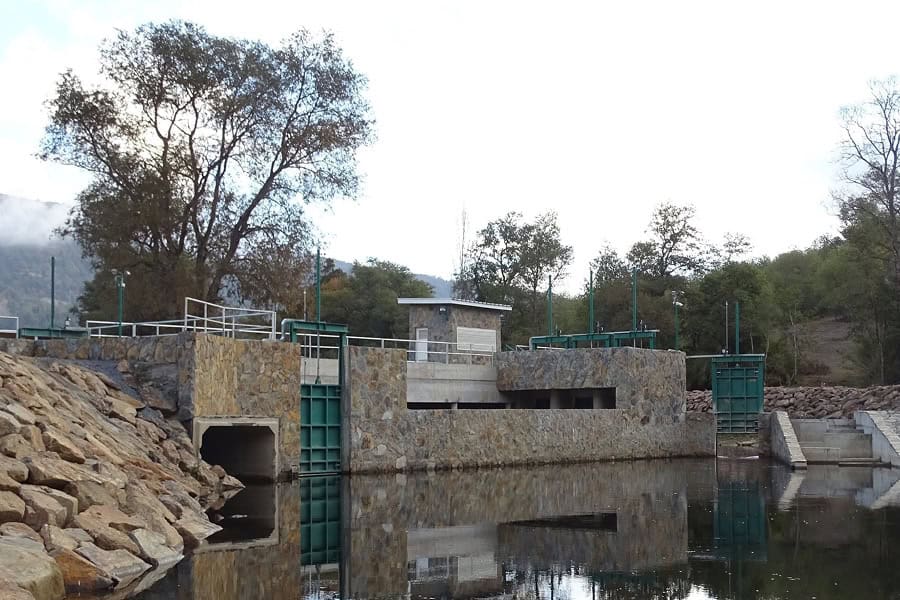
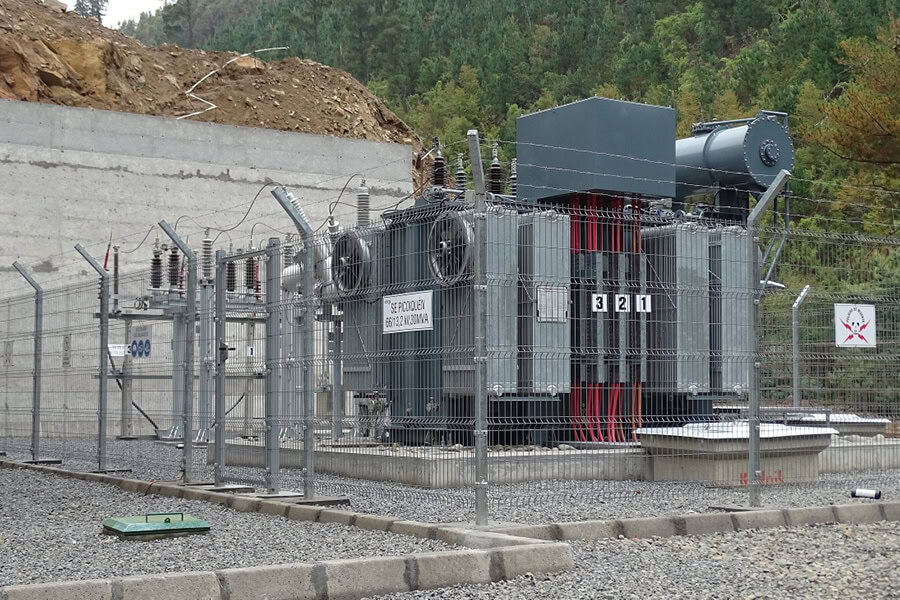
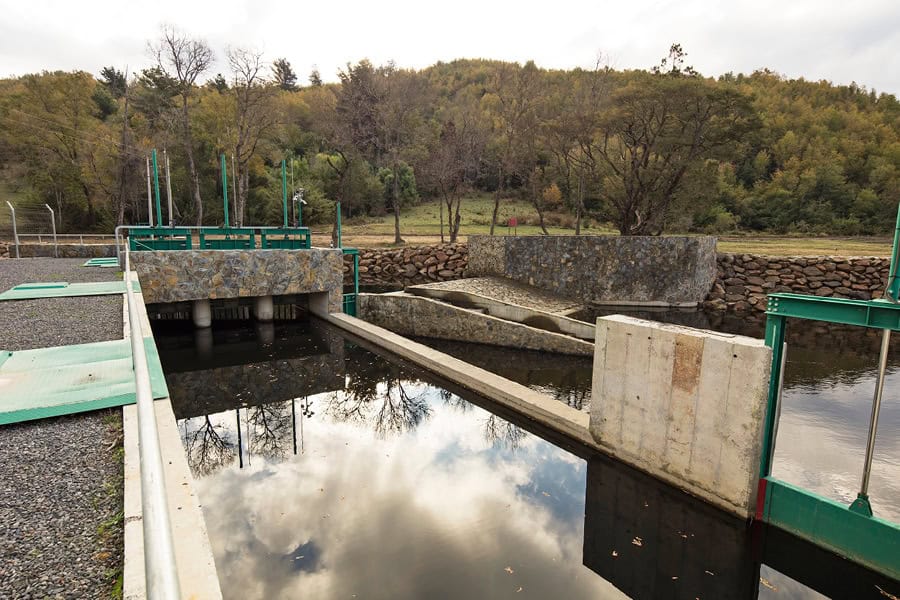
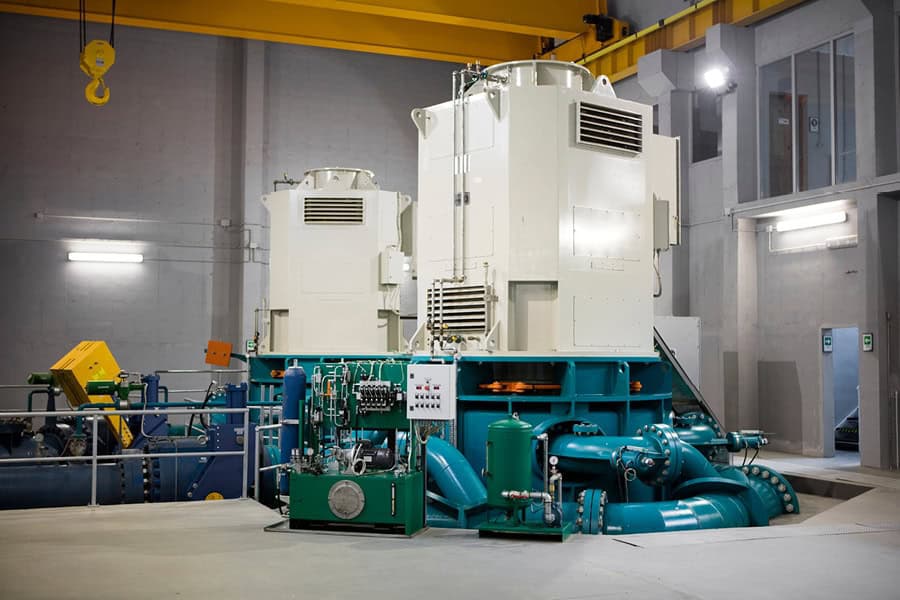
Hydropower project – Rio Picoiquen

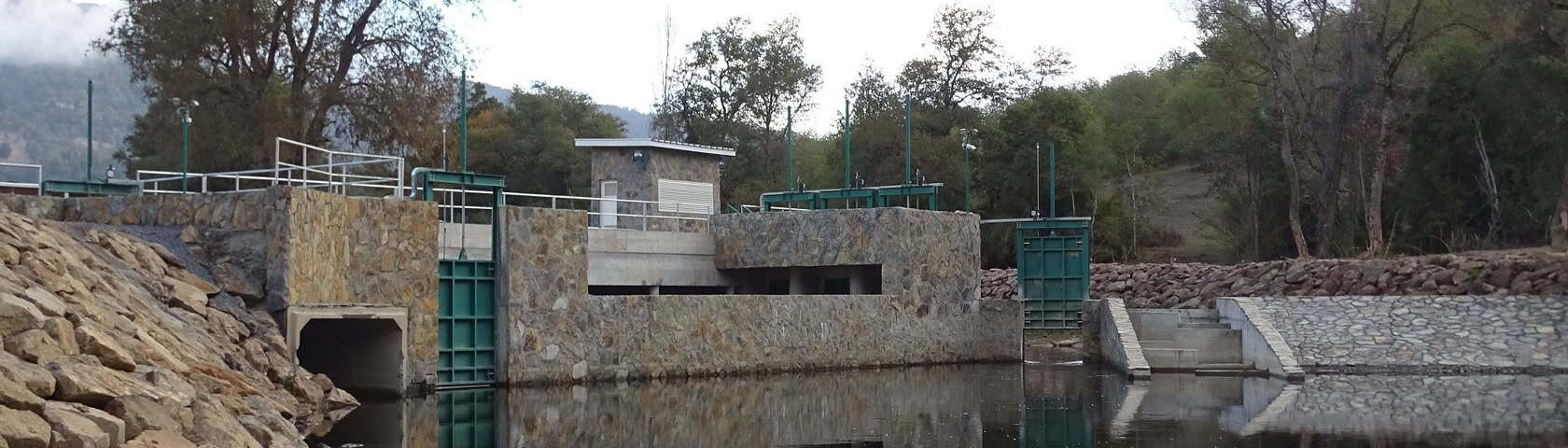
We offset unavoidable CO2 emissions in a meaningful way. For example, by supporting a hydroelectric power project in Chile that helps reduce greenhouse gas emissions and feed clean energy into the grid.

The project is located in Region IX in southern Chile. The project is connected to the Interconnected Central System (SIC), the largest electricity grid in the world. The project supplies 79,050 MWh of electricity per year and results in total annual CO2 emission savings of 26,019 tonnes of CO2.
The implementation of the Rio Picoiquen run-of-river power plant replaces the use of thermoelectric power plants operated in the SIC system, contributes to the reduction of greenhouse gas (GHG) emissions and feeds clean energy into the grid. There was previously no hydropower project at the project site or in the region, making it a showcase project. The project helps to reduce the Chilean electricity system’s dependence on imported fossil fuels. The project also helps to meet Chile’s growing electricity demand with clean and green energy. At the same time, it indirectly generates economic benefits for the region. It provides jobs for the local community, thereby helping to combat poverty and promoting development to improve the standard of living of the population. The energy is supplied to businesses and also to end consumers in the region.

Source:
www.Klimapatenschaft.de
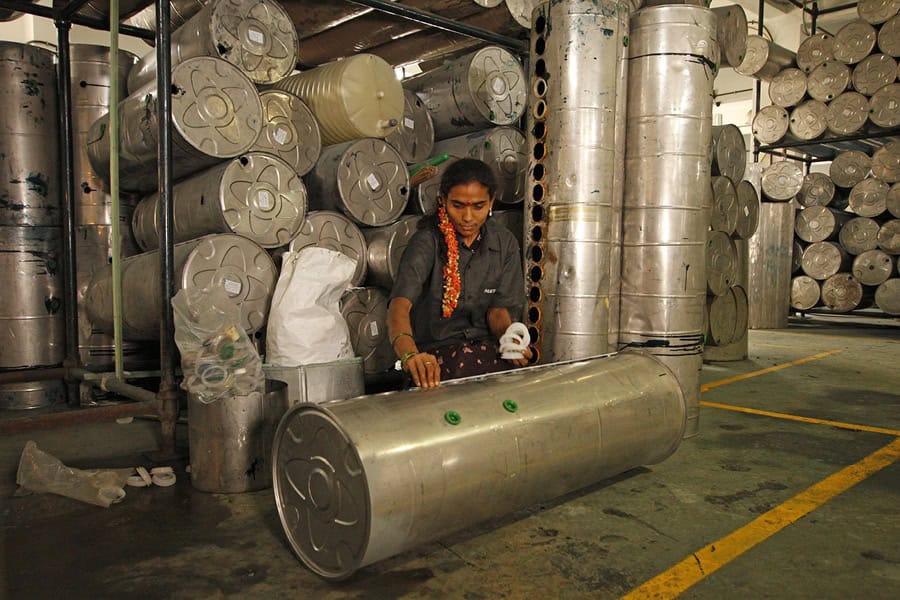
Solar water heaters
India

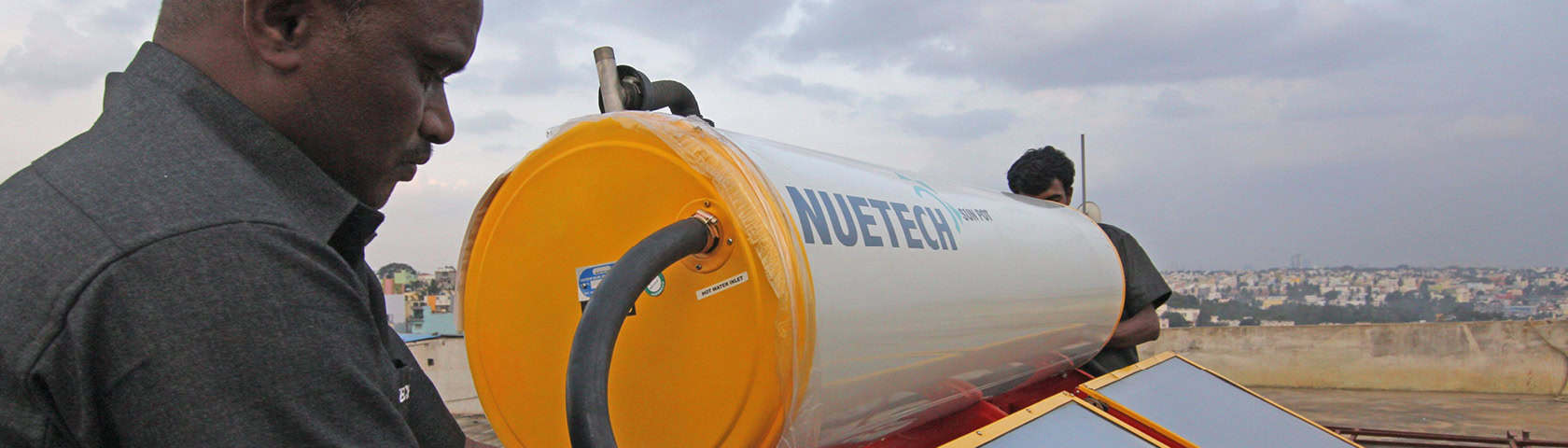
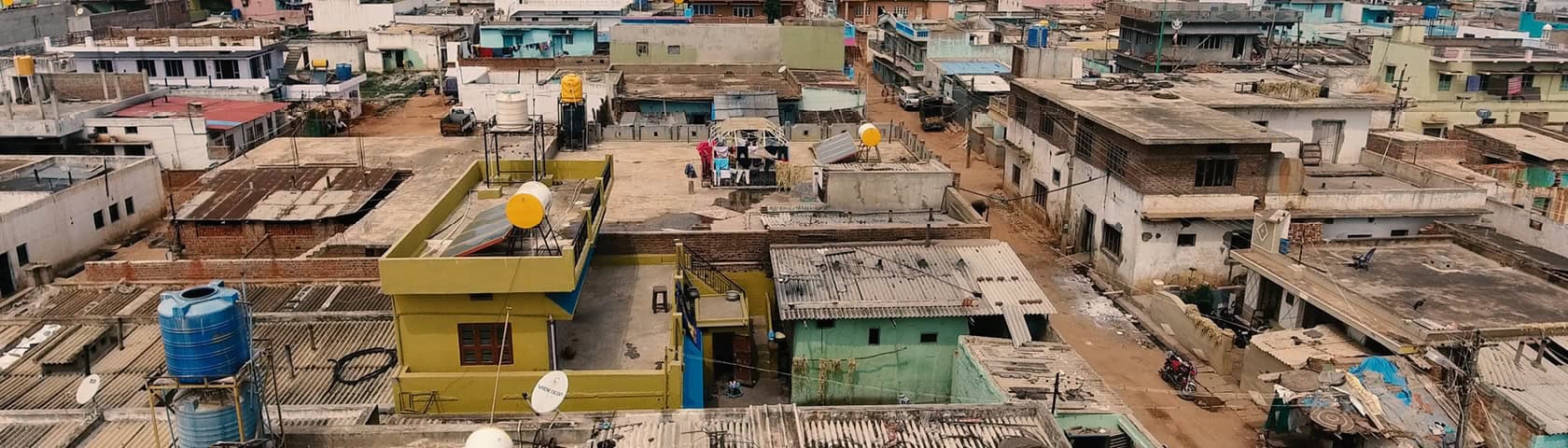
The Nuetech programme supports the marketing and installation of zero-emission solar water heaters (SWH) for private households, public institutions such as hospitals, schools and universities, and SMEs to ensure a reliable hot water supply.

In India, despite its wealth of natural resources, the ever-increasing demand for energy is largely met by coal-fired power, and domestic water is heated using electricity. Ninety per cent of the urban population uses mains-powered instantaneous water heaters to produce hot water, which accounts for around 20 to 30 per cent of India’s total energy consumption. The use of solar thermal systems reduces dependence on and expenditure for fossil fuels, thereby increasing disposable household income. With a system capacity of 200 litres per day, average savings of USD 134 per household can be achieved. In addition, the programme trains skilled workers and makes a significant contribution to education for sustainable development in India through teaching and information events. The production of solar thermal water heaters in Bangalore has so far created 165 direct jobs and more than 500 indirect jobs nationwide in marketing, installation, maintenance and servicing. In addition to protecting natural resources, the project also contributes to the creation of local jobs. The work is financed through the sale of CO2 certificates for 30,000 tonnes of CO2. By purchasing the certificates, companies can reduce their carbon footprint accordingly.

Source:
www.Klimapatenschaft.de
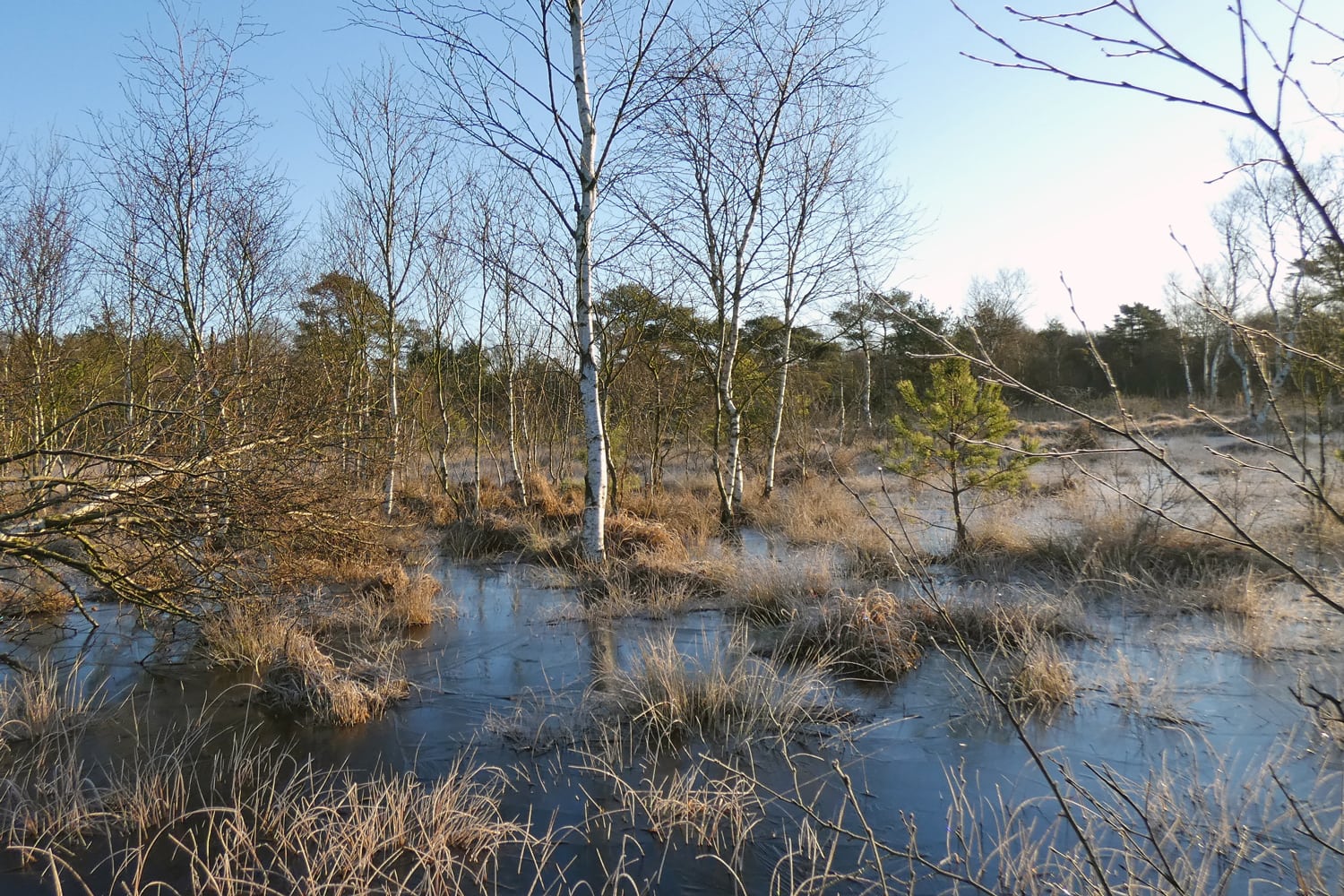
Moors are landscapes in which plant remains that have died over thousands of years and only partially decomposed have formed “peat”. These plant remains accumulated in the peat consist of 50-60% carbon. Drainage of the moors allows oxygen to enter the soil, decomposing the peat and releasing large quantities of greenhouse gases into the atmosphere. As a result, our moors lose about 1-1.5 cm in height every year. Moors therefore play a crucial role in reducing existing greenhouse gas emissions.

The first phase of construction has now been successfully completed. The ditches have been closed or dammed and embankments have been built so that water can collect again. And it is doing just that. New layers of peat can form and permanently bind CO2 in the soil. In the coming years, additional target species are to settle in the moorland area and invasive species that have settled there in the past are to be pushed back.

Furthermore, this is a regional nature conservation measure. The project is not anonymous and thousands of kilometres away, but is accessible and it is possible to go there and see what is being done.

Source:
www.klimamoor.de

Climate-neutral meals

We are also planning to introduce climate-neutral meals, which will allow you, the customer, to completely neutralise the CO2 consumption of your catering. This is also being achieved by promoting selected and certified Gold Standard climate protection projects.

Thanks to these steps, we received the “Groundwater and Climate-Neutral Company” certification in 2019. And this year, we have plenty of sustainability projects on the agenda again. The delicious side effect: whether you’re feasting, nibbling, having lunch, dining, picnicking or barbecuing with SCHMITT – the environment will thank you for it!

Klimaneutrales Unternehmen
Grundwasserneutrales Unternehmen

SCHMITT Catering

Hamburg Meat Market
Lagerstraße 17
20357 Hamburg / St. Pauli

Climate-neutral business catering


Find out everything we do to achieve this here.

Do you have any questions about us, our services or our products?

You can reach us at

040 444 65 969

or by email at
info@schmitt-foxyfood.de

© SCHMITT Foxy Food One GmbH