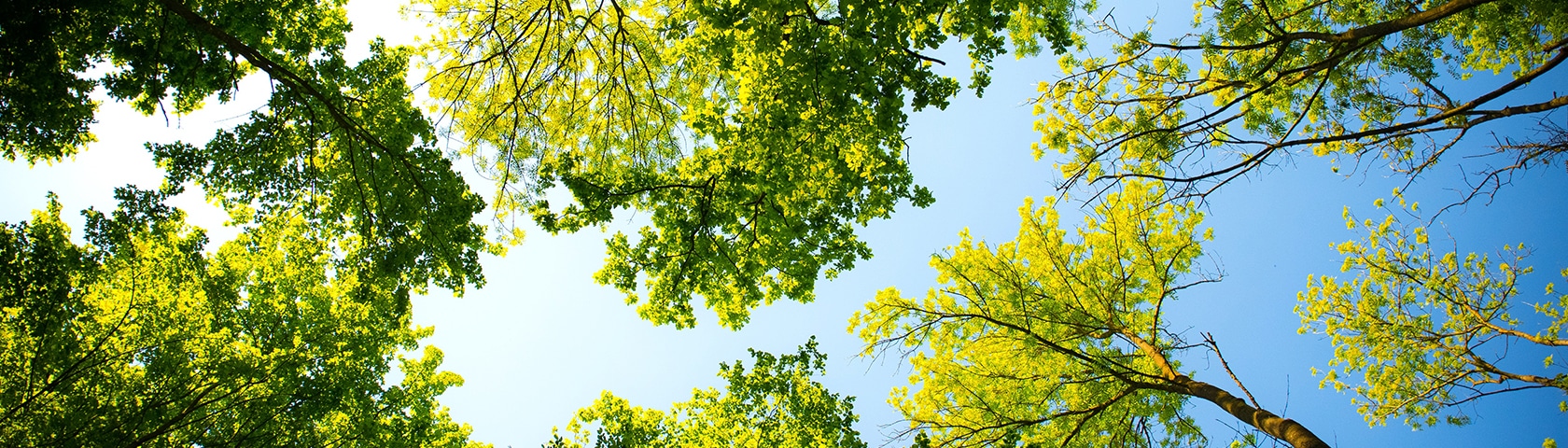
Underplanting existing coniferous forest monocultures with deciduous trees greatly increases groundwater recharge in the underplanted areas. This is because less light penetrates the dense canopy, resulting in less ground cover and fewer grasses and mosses. Rainwater penetrates the soil structure more deeply.
Furthermore, the evaporation rate of rainwater in a mixed deciduous forest is lower than in a coniferous forest, so that overall groundwater recharge doubles.
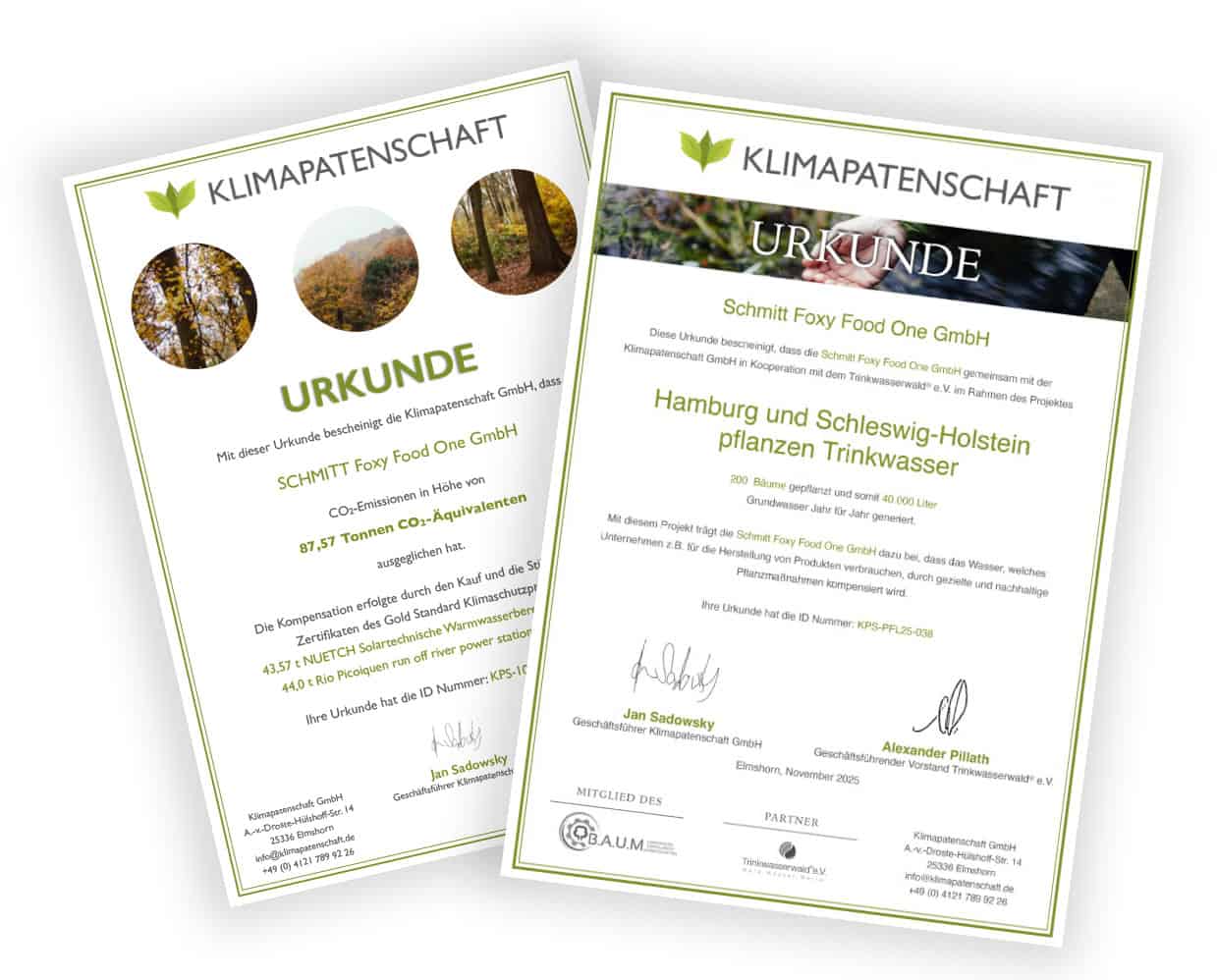
On average, an additional 800,000 litres of groundwater and drinking water are produced per hectare of restructured mixed forest area – year after year. Restructuring one hectare of coniferous forest requires approximately 4,000 deciduous trees, based on the current forest structure of the Klövensteen forest and the tree species planted. This means that every deciduous tree planted generates 200 litres of new groundwater and drinking water every year.
Planting the “drinking water trees” together with employees and demonstrating the effects of this sustainability measure is a tangible example of sustainable development. Experiencing the campaign together strengthens the employer brand and promotes team building.
Source:
www.Klimapatenschaft.de